By Tour.af
A Bamyan tour is the most common second step for anyone visiting Afghanistan after Kabul. The valley of the Buddha niches and the turquoise lakes of Band-e Amir are two of the country's best-known sights, and together they explain why so many first trips run longer than a week. They also reward planning. Most of the problems visitors run into in Bamyan have little to do with the sights and a lot to do with nights, paperwork and the day of the week. This article focuses on those practical details, drawing on Tour.af's guide to visiting Bamyan and Band-e Amir.
What you are going to see
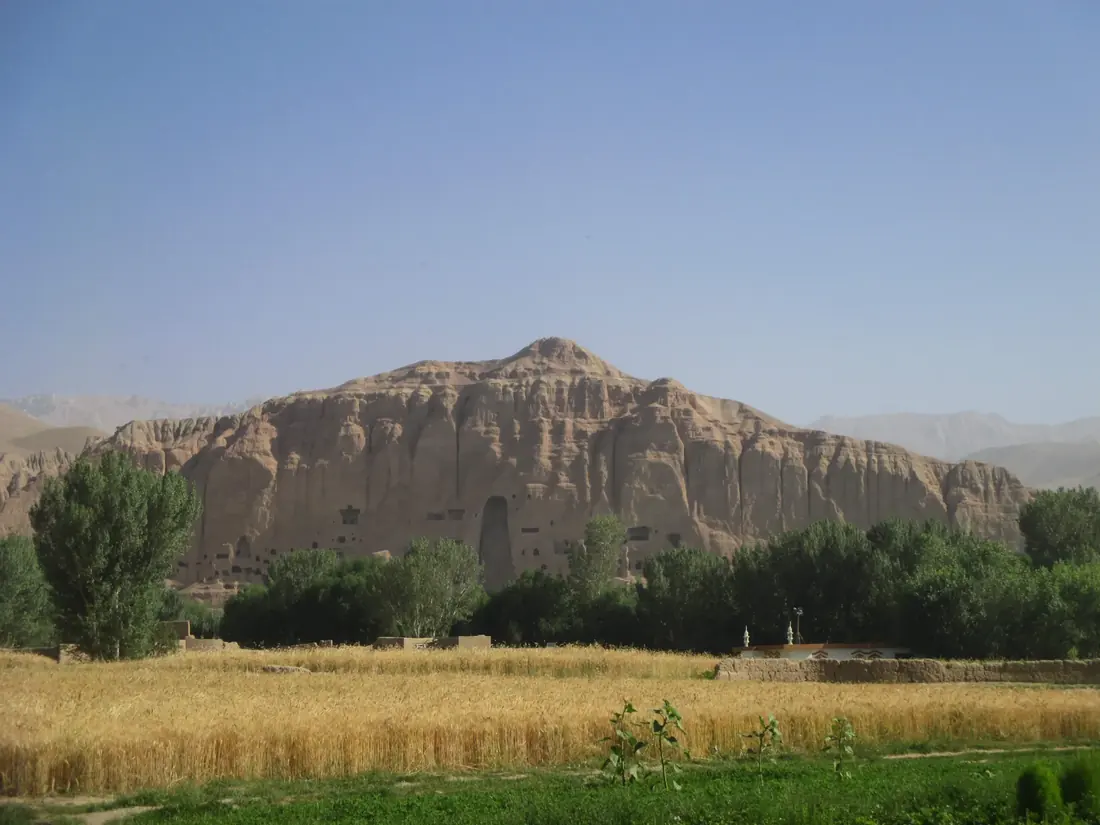
Bamyan lies west of Kabul in a broad highland valley. The empty niches of the Buddhas of Bamyan still dominate the cliff face, and the scale of the cliff is the point of the visit rather than any single photograph. Around the town are older fortresses, including Shahr-e Gholghola and Shahr-e Zohak.
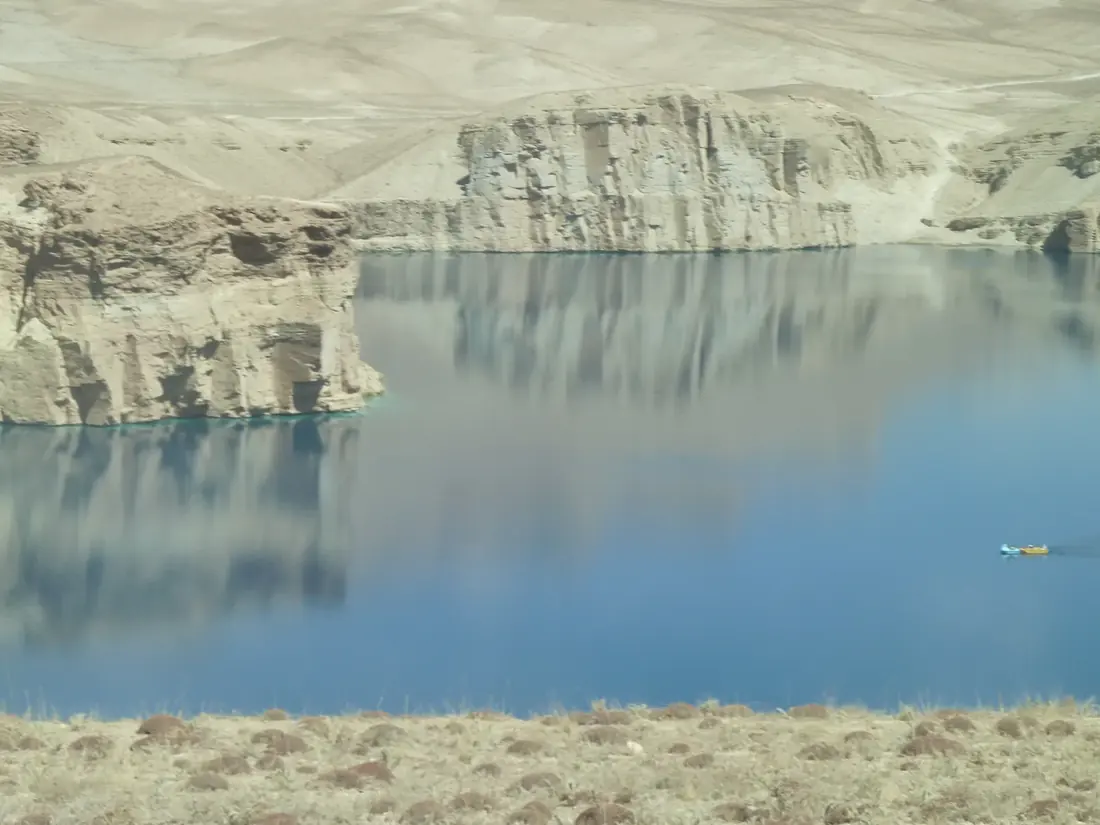
Band-e Amir National Park, Afghanistan's first national park, lies in the same province. It is a chain of lakes held behind natural travertine dams, high in the mountains at around three thousand metres. In good light the water reads turquoise. Band-e Haibat is usually the first lake visitors reach; others in the chain have their own names and colours, and not every lake is easy to walk to on a short visit.
Decision one: how many nights
Bamyan is not a stop you add for an hour from Kabul. The drive from the capital takes a full morning or more, with checkpoints along the way, so the honest minimum is one night if you want the niches and a fortress without rushing. If Band-e Amir is on your list, two nights is the calm plan: one day for the valley, one for the lakes.
A guided Bamyan block usually follows a pattern. Day one: leave Kabul with Bamyan already on the permit, arrive, register if required, and sleep in Bamyan. Day two: the niches and a fortress, or Band-e Amir if registration is done and the road is open. Day three: whichever you skipped, then back to Kabul or on to the next city on a longer trip.
Decision two: the permit
The tourist e-visa gets you into Afghanistan. It does not, on its own, clear you for Bamyan province. Provincial travel permits are issued in Kabul, and Bamyan must be on the paper if you plan to stay or sightsee there. Tour.af's guide puts the official fee at about 1,000 afghani per province on the itinerary. On a guided trip the operator arranges this; on Tour.af trips the permits and the letter of invitation come with the quote.
Two points matter more than the fee. First, the permit is written to the itinerary, so adding a province later is a new request, not a detour you can make at a junction. Second, carry the permit and your passport, with copies, whenever you leave Bamyan town. On the road to Band-e Amir you can expect to show them more than once.
The Friday problem
This is the detail that catches out independent planners. On arrival in Bamyan, visitors often still need to register with the local culture or tourism office before buying site tickets or leaving for Band-e Amir. Those desks are commonly closed on Friday and keep shorter hours on Thursday. Arrive on a Thursday afternoon without a plan and you can lose a day. A guided itinerary builds the arrival day around this; if you are planning dates yourself, try to reach Bamyan early in the week.
Tickets and fees on the ground
The site tickets for the niches and fortresses, and the national park entrance at Band-e Amir, are separate from the provincial permit and are paid locally. Prices change, so treat any figure you read online, including in old blog posts, as something to check on arrival rather than a fixed cost.
Seasons
Spring and autumn are the comfortable windows for most cultural trips to Bamyan; Tour.af's travel guide singles out spring as the time Band-e Amir is at its brightest and autumn for clear light. Summer is busy with domestic visitors. Winter snow can close or slow the road to the lakes, and deep winter is for travellers who accept that risk.
Practical notes
- The lakes are high. Walk slowly for the first hour if you have come straight from Kabul.
- Domestic flight options in and out of the region change; many trips still use the road. Your quote should say which.
- Rules and practice around public parks, including Band-e Amir, are not applied the same way every week. Ask your operator the day before you go and keep a spare day in Bamyan town.
- International flights and the visa fee are outside any tour price; the guide, vehicle, accommodation on the route and permit support usually sit inside a full-service package. Confirm the list in writing.
Which trips include Bamyan
A Kabul-only week does not. Tour.af's private Kabul week, from $1,599, stays in and around the capital. If Bamyan is the goal, the Kabul & Bamiyan Classic is a seven-day small-group trip of up to five travellers at $1,590, with the Bamiyan valley, the Buddha niches and Band-e Amir as its highlights; it can also run privately on your dates. On longer routes, Bamyan sits between Kabul and the north or west: Silk Road Highlights (ten days, $2,499) and the Silk Road Journey through Kabul, Bamiyan, Balkh and Herat ($2,990) both include it, as does Five Gems ($2,490).
For a fuller account of the valley, the lakes, the permit and the day on site, see Tour.af's Bamyan and Band-e Amir guide.
Tour.af, Ahmad Shah Baba Mena, Kabul 1012, Afghanistan. +93 70 521 4101. WhatsApp · tour.af
Written with AI assistance and reviewed by Tour.af against its published guides and tour pages.