By Tour.af
Ask when to visit Afghanistan and most answers say "spring or autumn." That is a fair rule of thumb, but it hides how different the country is from one region to the next. Kabul sits in a high valley; Herat and Mazar-i-Sharif get fierce summer heat; Band-e-Amir is high enough that winter slows the road; and the Wakhan has a short summer window and is effectively closed to standard itineraries for much of the year.
So rather than one calendar, this guide gives one for each of the places first-time visitors most often ask about, based on the seasonal notes Tour.af publishes for each destination. Use it to choose the month, then the route.
The national picture in one paragraph
Tour.af's travel guide sums up the year like this: spring (April to June) is the best overall window, with Band-e-Amir at its peak colour; summer (July and August) brings hot valleys, cooler altitude and an open Wakhan; autumn (September to November) has clear light and is the strongest photography season; and winter (December to March) is cold, with mountain roads that can close. Everything below is a refinement of that.
Kabul
Kabul is the most forgiving destination on the calendar. Because a Kabul week stays in and around the capital and returns to the hotel each night, it can run in more than one season. Spring and autumn are the most comfortable. Summer works if you plan for warm days, with earlier starts and a slower afternoon; the city's altitude takes some of the edge off. Winter is possible if you accept short days, cold mornings and the chance of snow, though mountain day trips such as the Salang depend on the road.
Good months: April to June, September to November. Workable: July, August and winter for city days.
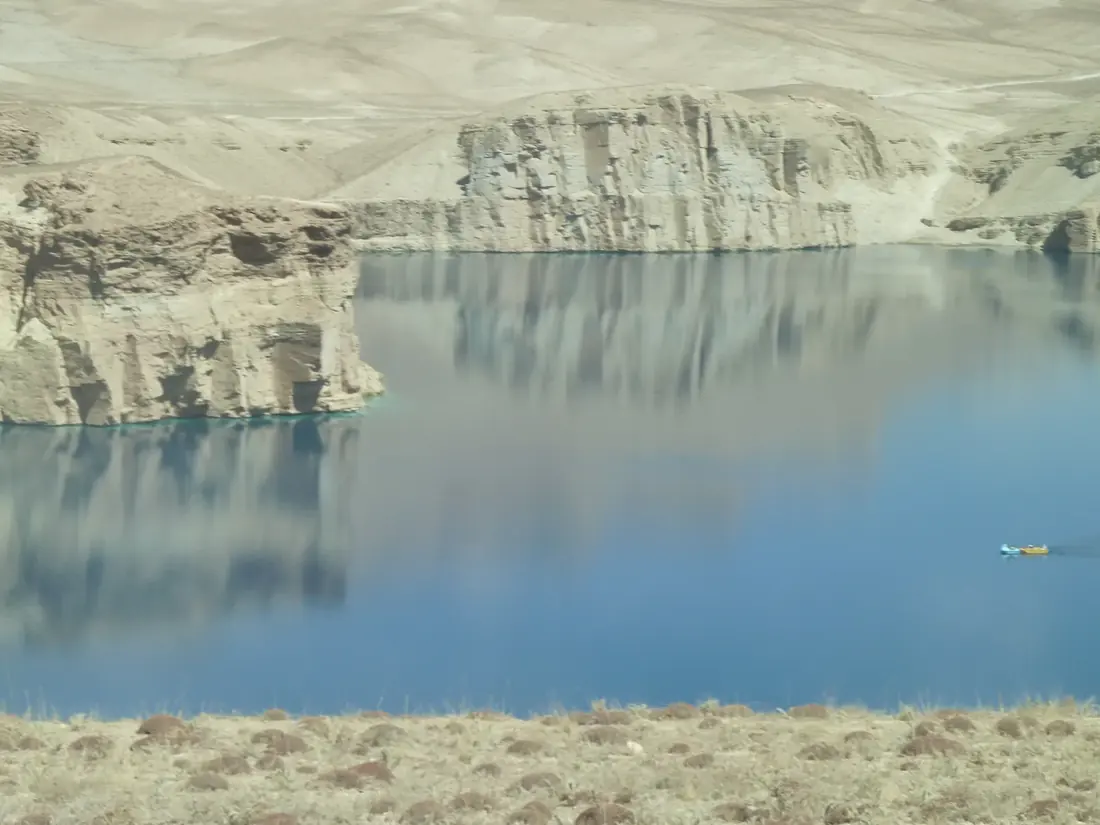
Bamyan and Band-e-Amir
The Bamyan valley and the Band-e-Amir lakes are much higher than Kabul. Spring is flagged as a particularly good time for the lakes, and autumn as a strong photography season. Summer brings more domestic visitors. In deep winter, the road can slow or close, and highland days become weather-dependent.
Good months: spring and autumn. Avoid if you can: mid-winter, unless you build in flexibility.
Herat
Tour.af's Herat guide recommends spring (March to May) and autumn (September to November), when the weather suits sightseeing. Summers, from June to August, can be scorching, with temperatures above 40°C. Winters are cold but still manageable for travellers who want the Friday Mosque and the Citadel in a quieter season.
Good months: March to May, September to November.
Mazar-i-Sharif and Balkh
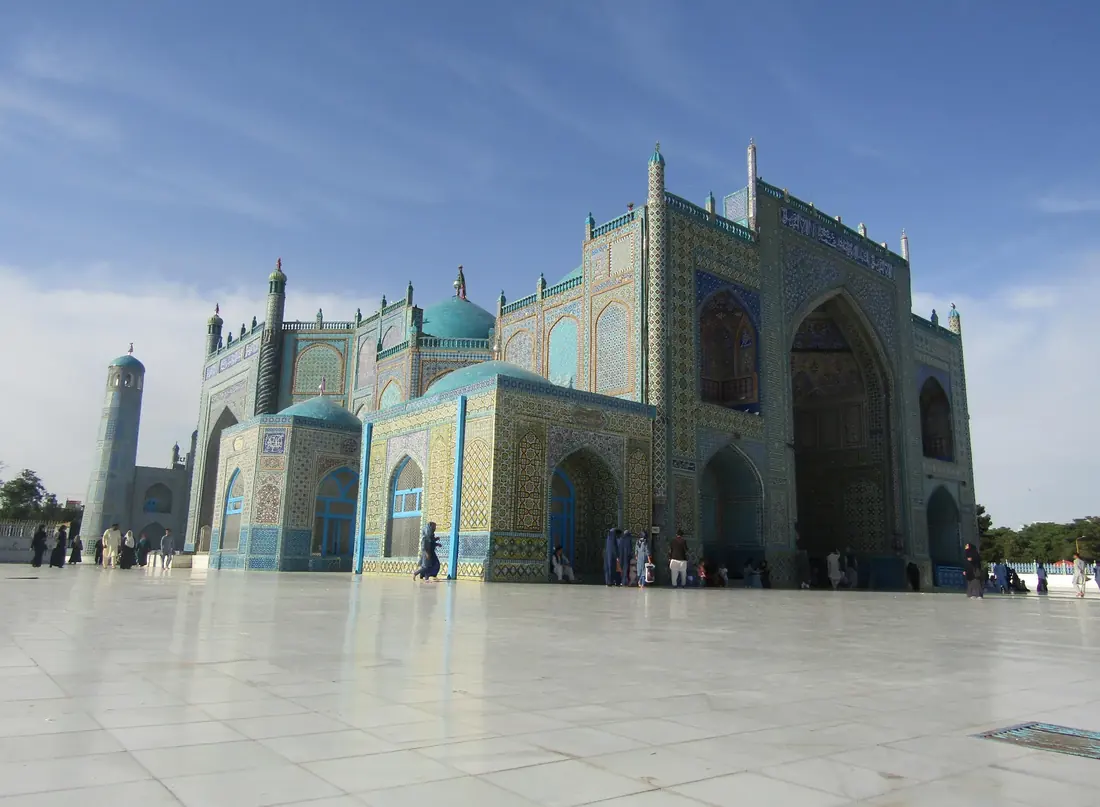
The Mazar guide points to spring (March to May) as the best time, especially around Nawroz, the Persian New Year, when the city fills with celebrations near the Blue Mosque and the traditional raising of the Janda flag. Autumn, from September to November, is the other pleasant window. Summers can exceed 40°C, so a July visit to the north needs sun protection and an early start.
Good months: March to May (Nawroz in March), September to November.
Panjshir
The Panjshir valley, a popular day trip from Kabul, is at its best in spring (March to May) and early autumn (September and October), according to Tour.af's Panjshir guide, with mild weather and green landscapes. Winters are cold; summers are mild.
Good months: March to May, September and October.
The eastern valleys
The valleys around Jalalabad in Nangarhar and along the Kunar river sit lower than Kabul and can be hot in summer. Tour.af's season guide describes lowland areas such as the eastern valleys as a poor match for a first summer visit if you have a choice. Spring and autumn are the better windows for an eastern itinerary.
The Wakhan Corridor
The Wakhan is the exception to almost every rule above. Its useful season is short: roughly late spring into early autumn, often described as May or June through September or early October. Early summer snowmelt can raise rivers and block crossings, and many stretches are easier from early July. August to mid-September is the window many trekkers prefer for high country. From early September, snow can start to close higher trails and roads again. The Wakhan is not a winter product for a standard visitor itinerary.
Good months: July to mid-September. Plan it as its own trip, not as a side trip from a city week.
Putting destinations together
If your trip combines several of these places, the overlap tells you the month:
- Kabul, Bamyan, Mazar and Herat together (a ten-day Silk Road route) fit most comfortably in spring or autumn.
- Kabul alone fits almost any month.
- The Wakhan sets its own calendar, so a cultural circuit and the Wakhan in one trip need summer and enough days.
What the season does not change
Season changes the weather, not the paperwork. Visitors still need a tourist e-visa and typically a letter of invitation; provincial permits are written to the route; and Tour.af's pages note that foreign tourists travel with a licensed guide and an official translator all year. Cards rarely work, so bring cash, and pack for a temperature swing even in the "best" months.
For the full seasonal overview, see Tour.af's travel guide on the best time to visit Afghanistan, and for a longer season-by-season read, the best time to visit Afghanistan article. If you already know your month, the Afghanistan tours page lists routes and dates.
Tour.af, Ahmad Shah Baba Mena, Kabul 1012, Afghanistan. +93 70 521 4101. WhatsApp · tour.af
Written with AI assistance and reviewed by Tour.af against its published destination and season pages.