By Tour.af
Afghanistan travel is easier to plan when it is broken into a few decisions made in the right order. Many people start with the hardest question, whether to go at all, and then get lost in a long list of details. A simpler approach is to work through five choices: when to go, where to go, how to travel, what paperwork you need and what it will cost. Each decision narrows the next. This article takes them one at a time, using what Tour.af publishes in its travel guide and tour pages.
Decision 1: the season
The season shapes the route more than anything else. Tour.af's travel guide sets it out simply:
- Spring, April to June: the best overall season, with Band-e Amir at peak colour.
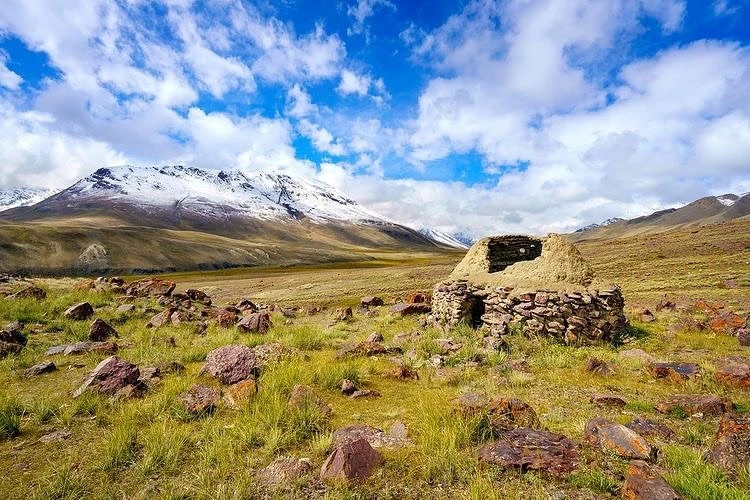
- Summer, July and August: hot in the valleys and cooler at altitude. This is when the Wakhan is open.
- Autumn, September to November: clear light and the strongest season for photography.
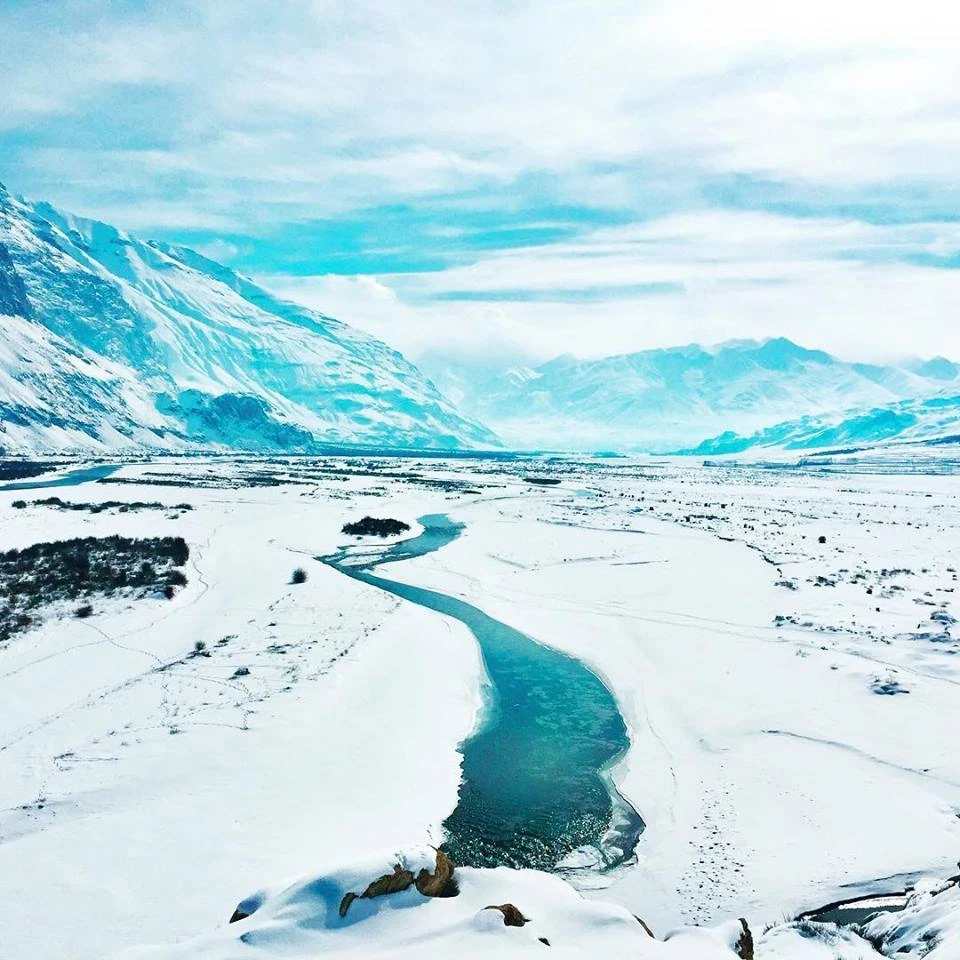
- Winter, December to March: cold, and mountain roads can close.
If you want the Wakhan, the decision is largely made for you: summer. If you want Kabul, Bamiyan and the Silk Road cities, spring and autumn are the most comfortable. Tour.af's fixed Silk Road Highlights departures for 2027 are listed in May, August, September and October.
Decision 2: the route
Most first visits run seven to fourteen days. There are four common shapes:
- Kabul and its surroundings. Gardens, museums, bazaars and day trips that return to the capital each night. A private Kabul week does not include Bamiyan.
- Kabul and Bamiyan. The Buddha niches, the ruins of Shahr-e Gholghola and Shahr-e Zuhak, and Band-e Amir National Park. About a week.
- The Silk Road arc. Kabul and Bamiyan, then Mazar-i-Sharif and Balkh in the north and Herat in the west, usually in ten days with domestic flights.
- The mountains and the east. The Wakhan and the Afghan Pamir in Badakhshan, or the eastern valleys of Nangarhar, Kunar and Nuristan.
Pick the route that fits the season and the number of days you really have. Trying to fit the Silk Road into a week usually means more time in transit than at sites.
Decision 3: the format
There are two ways to travel with a licensed operator, and both are guided.
- Private tours run on your dates for your party only. Pace and route are shaped around you.
- Small-group tours use fixed departures with a clear per-person price and a shared group, often a maximum of about five on Tour.af departures.
What you cannot do is travel independently. Under current rules every foreign tourist must travel with an official guide or translator, and independent sightseeing is not allowed. That rule makes the format choice simpler: the question is not whether to have a guide, but whether you want to share the trip.
Decision 4: the paperwork
Four documents matter:
- A passport valid for at least six months.
- A letter of invitation from a licensed operator. Tour.af issues it after you confirm, and it comes with the quote along with the permits.
- The tourist e-visa, applied for online. It is a single-entry visa for up to 30 days, for arrival at Kabul International Airport. For most nationalities the official total on standard processing is $131.96; it is more for US passports and for express processing. Standard processing is one to four weeks.
- The travel permit, which names the provinces on your route. The operator arranges it once you confirm.
Add specialist travel insurance that explicitly covers Afghanistan and medical evacuation. Ordinary policies often exclude it.
Decision 5: the budget
Tour.af's guided packages start from $1,590. The published prices are:
- Kabul & Bamiyan Classic, small group, seven days: $1,590.
- Private Kabul week on your dates: $1,599.
- Eastern Valleys Explorer, small group, ten days: $2,199.
- Five Gems, ten days through Kabul, Bamiyan, Nangarhar, Kunar and Nuristan: $2,490.
- Silk Road Highlights, small group, ten days: $2,499.
- Silk Road Journey through Kabul, Bamiyan, Balkh and Herat, ten days: $2,990.
- Wakhan & Pamir, small group: from $2,990.
- The Roof of Afghanistan Wakhan & Pamir: $3,990.
According to the travel guide, a guided package usually includes a licensed Afghan guide, private transport and a driver, tourist permits and checkpoint paperwork, accommodation as agreed, an airport meet-and-greet and 24/7 local support. International flights, the visa fee, travel insurance, personal expenses and tips are separate. Budget cash in US dollars, because cards rarely work.
Getting there and getting around
Most travellers fly into Kabul via Dubai or Istanbul. On the ground, operators use private vehicles with drivers who handle checkpoints daily, and some longer routes use domestic flights; the Silk Road itineraries, for example, fly between Kabul and Mazar and between Herat and Kabul.
What to pack
The travel guide's packing list is short: a passport with six or more months of validity and a printed colour copy of the e-visa; US dollar cash; modest clothing and warm layers for altitude; walking shoes, sunscreen and basic medicines; a power bank and a universal adapter; and your specialist insurance documents.
Putting the decisions together
Once the five decisions are made, the rest is mostly confirmation. A typical sequence is to send your dates and group size, receive a fixed quote and itinerary, confirm, receive the letter of invitation, apply for the e-visa, and fly. Tour.af's booking page notes that a quote usually arrives within an hour and the travel permit is usually arranged within six hours of confirmation.
The full planning guide for Afghanistan travel with Tour.af is on the Travel to Afghanistan page, and current itineraries are on the Afghanistan tours page. When you have a season and a rough route in mind, the team in Kabul can help with the rest.
Tour.af, Ahmad Shah Baba Mena, Kabul 1012, Afghanistan. +93 70 521 4101. WhatsApp · tour.af
Written with AI assistance and reviewed by Tour.af against its published travel guide, booking page and tour pages.