By Tour.af
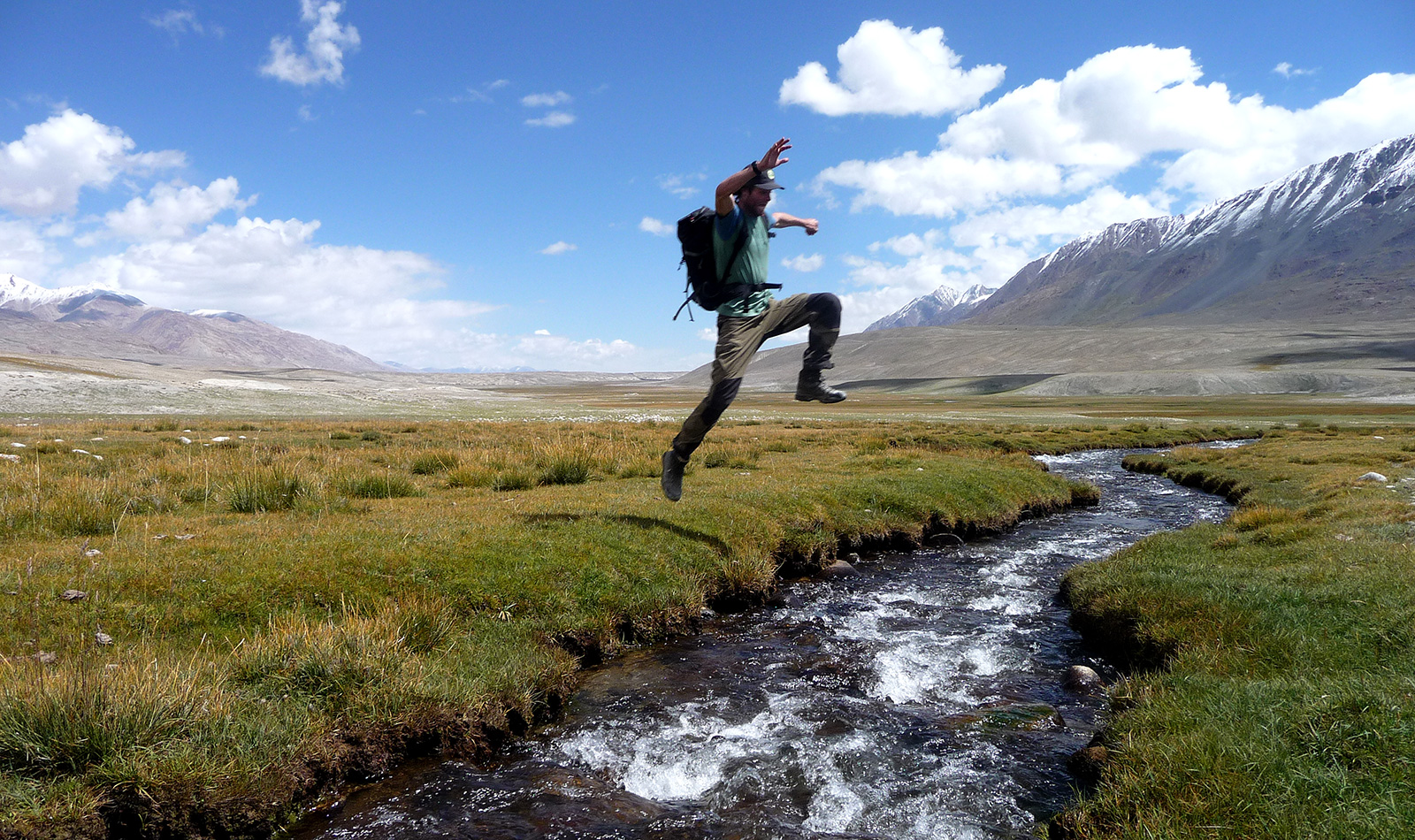
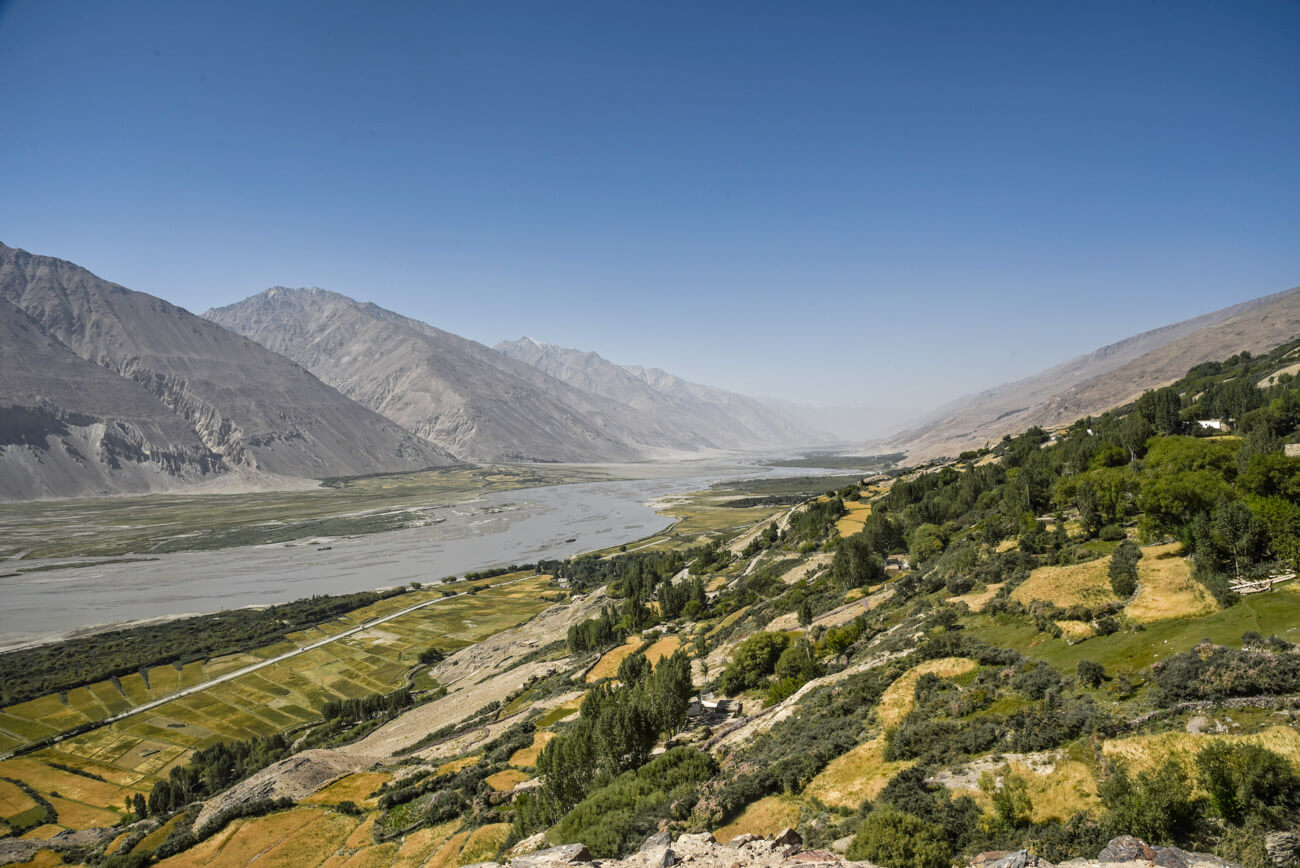
Most planning for a Wakhan Corridor trek focuses on paperwork and season, and rightly so. Permits, the short summer window and the entry route decide whether the trip happens at all. But once those are settled, the thing that most shapes how the trip feels is altitude. The Wakhan rises from valley villages along the Panj River toward the open high pastures of the Afghan Pamir, and much of the high Pamir sits around or above 4,000 metres. That is high enough for altitude to matter to almost everyone.
This piece is a practical guide to altitude on a Wakhan trek: what happens to the body, how to prepare at home, how a sensible itinerary paces the climb, and which symptoms mean you should stop. It is general travel guidance, not medical advice. Anyone with a heart or lung condition, or who is pregnant, should speak to a doctor before booking a high-altitude trip.
Why altitude matters in the Wakhan
As you climb, the air holds less oxygen with every breath. The body adapts, but slowly, over days rather than hours. Problems start when you go up faster than your body can adjust. The most common result is acute mountain sickness, usually mild and temporary, occasionally more serious.
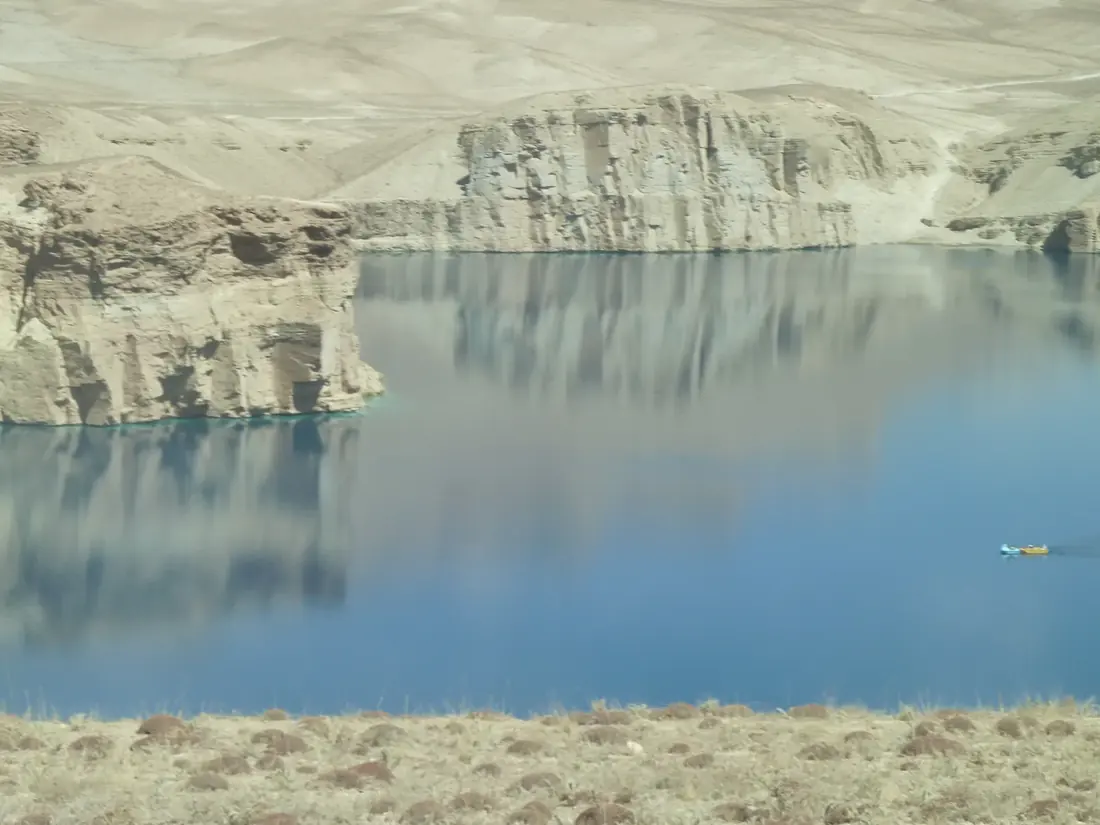
The Wakhan has three features that make this worth taking seriously. First, it is remote: help and lower ground can be a long drive away. Second, the trip involves long days on rough roads, which can tire you before you start walking. Third, the most rewarding parts, the high valleys and lakes of the Pamir, are the highest. Tour.af's Wakhan guide describes the route plainly as a short-season highland expedition, with rough 4WD roads, river crossings and basic rooms, and says it suits travellers who accept altitude and flexible days.
Preparing at home
You cannot pre-acclimatise properly at sea level, but you can arrive in better shape.
Build walking fitness. Fitness does not prevent altitude sickness, and fit people get it too. But a body that is comfortable walking for several hours copes better with long days. In the months before the trip, walk regularly on hills with a light pack.
See a doctor or travel clinic. Discuss your health, any medicines you take and whether medication for altitude is appropriate for you. That is a decision for a clinician, not a blog.
Check your insurance. Specialist travel insurance that explicitly covers Afghanistan and includes medical evacuation is strongly advised for any trip. For a high mountain route, check that the policy covers trekking at the altitudes involved.
Break in your boots and pack layers. Mountain weather swings between warm sun and cold wind in a single day. Warm layers for altitude are on every packing list for the region.
How a sensible itinerary paces the climb
The single best protection against altitude sickness is a gradual ascent. The widely used guidance from mountain medicine is to avoid big jumps in sleeping altitude once you are above about 3,000 metres, and to include rest days as you climb. "Climb high, sleep low" is the classic rule of thumb: walking higher during the day and returning lower to sleep helps the body adapt.
A Wakhan itinerary built from Kabul naturally helps here. The usual route goes from Kabul to Faizabad in Badakhshan, then on to Ishkashim and into the corridor by 4WD. Tour.af's Wakhan and Pamir Corridor small group, ten days from $2,990, follows that shape: a drive along the Panj valley to Ishkashim, a day visiting Wakhi and Kyrgyz villages, a trekking day in the Pamir highlands, and a return to Faizabad. The days in the lower valleys before any trekking give the body time to start adjusting. Tour.af's Wakhan departures also include a pre-departure briefing on altitude and conditions.
Longer trekking expeditions elsewhere run twelve to twenty-one days and push much deeper toward Sarhad-e Broghil and the Pamir lakes. If your goal is that far east, the extra days are not just distance; they are acclimatisation time. The Tour.af guide's advice is to match the calendar to how far east you actually want to go.
Daily habits on the trail
- Walk slowly. Set a pace at which you can talk comfortably. On a high trail the slowest walker usually arrives in the best shape.
- Drink regularly. Dry mountain air dehydrates you. Tour.af's Wakhan trip provides drinking water during treks and drives.
- Eat, even without appetite. Loss of appetite is common at altitude. The Wakhan small group includes breakfast, lunch and dinner, and regular meals help.
- Avoid alcohol and sleeping pills in the first days at height, as both can depress breathing at night.
- Protect yourself from the sun. UV is strong at altitude. Sunscreen, a hat and sunglasses matter.
- Tell your guide how you feel. Honestly, every morning. Guides can only adjust a plan they know needs adjusting.
Warning signs, and what to do
Mild acute mountain sickness often feels like a hangover: headache, plus one or more of nausea, tiredness, dizziness or poor sleep. The standard advice is not to go higher until symptoms resolve, to rest and drink, and to descend if they get worse.
Serious altitude illness is rare but dangerous. Signs include confusion, clumsiness or difficulty walking in a straight line, severe headache that does not respond to simple painkillers, breathlessness at rest, or a persistent cough. These need immediate descent and medical help. Do not wait for morning, and do not let anyone talk you into continuing.
The rule that keeps people safe in every mountain range is simple: never go higher with symptoms, and go down if they worsen. On a remote route like the Wakhan, that decision should be made early.
The right mindset
The Wakhan rewards time and patience. Tour.af's guide calls it one of the strongest reasons people still put Afghanistan on a hard shortlist, and also warns that it punishes tight connections. The same is true of altitude. Go slowly, leave buffer days, and treat the high country as something to grow into over the trip.
For season, permits and the entry route, read Tour.af's Wakhan guide. Current departures and inclusions for the small group are on the Wakhan and Pamir Corridor small-group page.
Tour.af, Ahmad Shah Baba Mena, Kabul 1012, Afghanistan. +93 70 521 4101. tour.af
Written with AI assistance and reviewed by Tour.af. Altitude guidance summarises widely published mountain-medicine advice and is not a substitute for advice from your doctor.