By Tour.af
Afghanistan is open to foreign tourists, and more people are planning trips than at any point in recent years. What they often lack is a single, practical reference: how the visa works, how you get there, what it costs, when to go and what to pack. This Afghanistan travel guide gathers those essentials in one place.
It is written by Tour.af, a licensed tour operator in Kabul, and it reflects how travel works on the trips we run. Rules in Afghanistan change, so treat it as a starting point and check the latest details before you book.
1. How travel works now
The most important fact comes first: tourism in Afghanistan today is organised travel. Under the current rules, every foreign tourist must be accompanied by an official guide or translator, and independent sightseeing and travel between provinces without one are not allowed. Provincial travel permits are needed for the places on your route.
In practice, this means you travel with a licensed operator who plans the itinerary, provides the guide, arranges the permits and handles daily logistics. Everything else in this guide follows from that.
2. Government advice and insurance
Most Western governments advise against travel to Afghanistan. Read your own government's page in full, and pay attention to what it says about consular help. Then look at insurance: standard policies often exclude destinations under "do not travel" advice, so you need specialist cover that explicitly includes Afghanistan and medical evacuation.
3. The visa
Most visitors use the tourist e-visa, applied for online. You will need:
- A passport with at least six months' validity.
- A passport photo and a scan of your passport.
- A letter of invitation (LOI) from a licensed operator, which is strongly recommended.
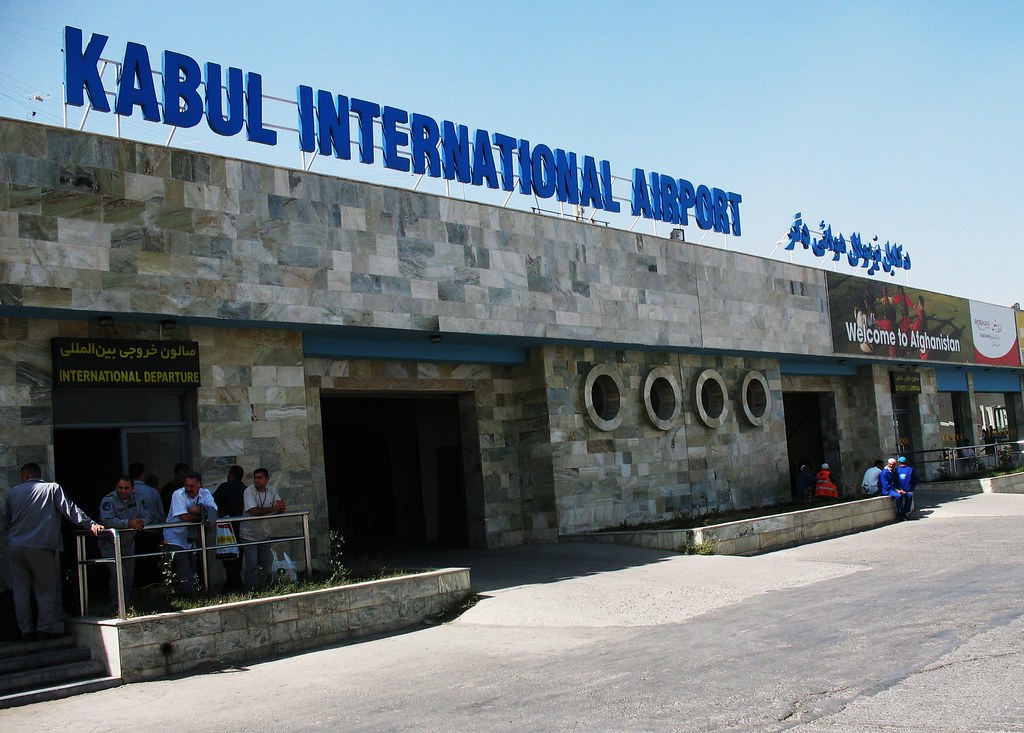
The tourist e-visa is for arrival at Kabul International Airport. Standard processing is stated as one to four weeks, with an express option, so apply well before you travel. At Tour.af we issue your LOI after booking confirmation, usually within 48 hours; you then submit the e-visa application yourself.
4. Getting there
Most travellers fly into Kabul (KBL) via Dubai or Istanbul. Book your international flights only after your itinerary is confirmed and your visa is under way, so the dates match.
Within the country, longer routes combine road and air. A trip that includes Herat or Mazar-i-Sharif may use domestic flights, while Bamiyan is usually reached by road. Your operator will plan the combination.
5. When to go
- April to June and September to November are the best months for most travellers.
- Summer suits high-altitude routes such as the Wakhan, whose season is short.
- Winter is cold, and mountain roads can close.
6. How long to stay
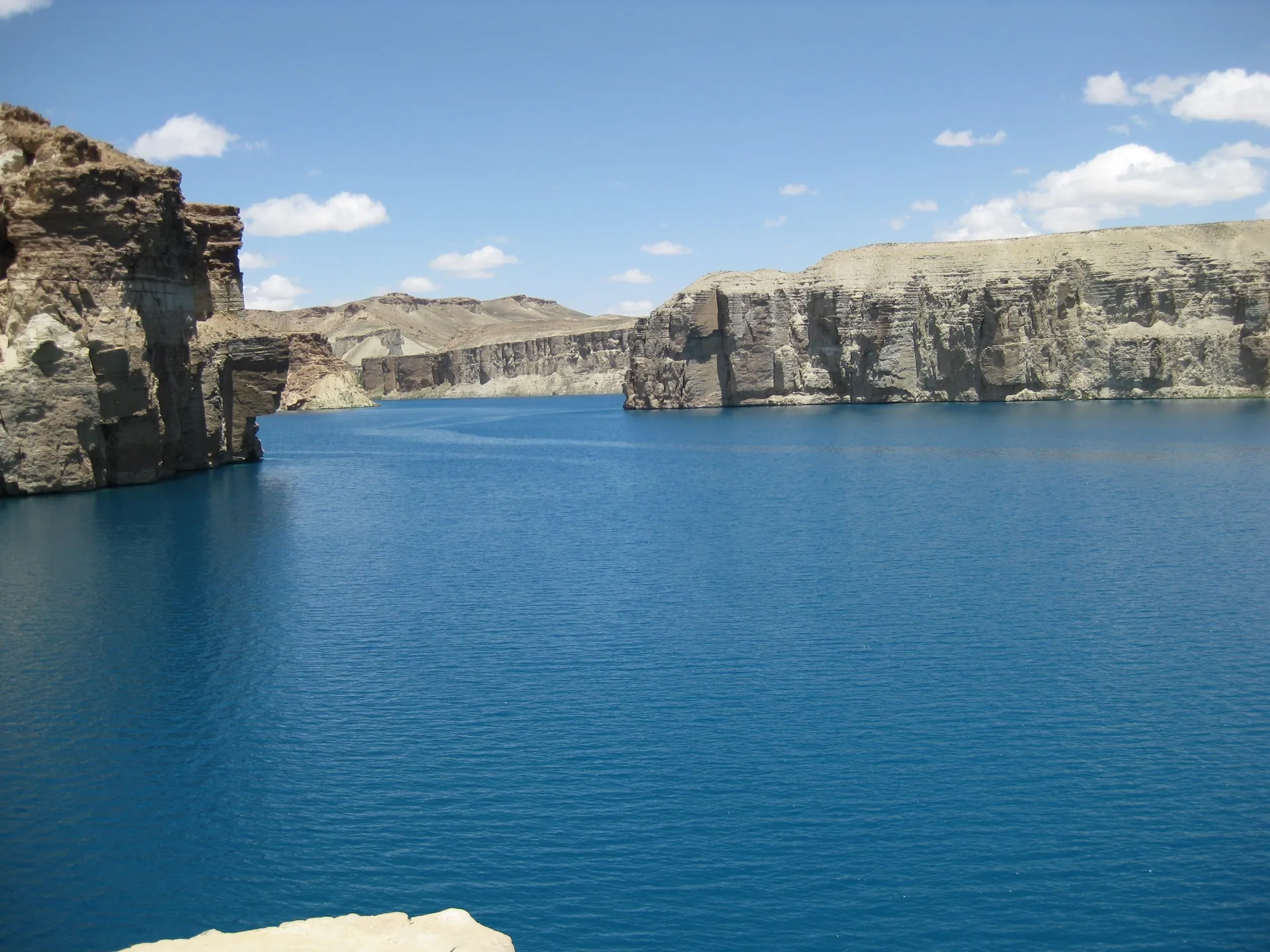
Most first visits run seven to fourteen days. Bamiyan and Band-e-Amir fit into about a week with Kabul. Herat, Mazar-i-Sharif and the eastern valleys need ten days or more, and the Wakhan is a ten-day trip of its own.
7. What a guided trip costs
Tour prices depend on length, group size and route. At Tour.af, published starting prices include:
- A private Kabul week from $1,599 on your dates (Kabul and day trips; it does not include Bamiyan).
- The Eastern Valleys Explorer small group at $2,199.
- Five Gems at $2,490.
- The Silk Road Journey through Kabul, Bamiyan, Balkh and Herat at $2,990.
- The Wakhan & Pamir Corridor small group from $2,990, and the Roof of Afghanistan Wakhan & Pamir trip at $3,990.
International flights and the visa fee are separate. A typical guided package includes a licensed Afghan guide, private transport and a driver, tourist permits and checkpoint paperwork, accommodation as agreed, an airport meet-and-greet and 24/7 local support.
8. Money
Bring US dollars in cash, in good condition. Cards are rarely useful for payment, so plan your spending money in cash and exchange it locally as needed. Your guide can help you find a reliable place to change money.
9. What to pack
- Clothing: modest, loose clothing, plus warm layers for altitude; temperatures change a lot between valleys and passes.
- Footwear: comfortable walking shoes; sturdier boots for mountain routes.
- Health: any medicines you need, sun protection and a small first-aid kit. Altitude matters in Bamiyan and even more in the Wakhan.
- Documents: passport (six months' validity or more), a printed colour copy of your e-visa, your LOI, insurance documents and copies of everything.
- Power: a power bank and a universal adapter.
10. Conduct and photography
Ask before you photograph people, and avoid photographing checkpoints and officials. At religious sites, follow your guide's lead on dress and timing; visits are planned around prayer times. Your pre-trip briefing will cover the details.
11. Staying connected
Phone coverage is good in the cities and patchy in the mountains. Give your family your itinerary and your operator's contact number; on our trips the Kabul office is reachable around the clock.
12. The booking sequence
Put together, the steps look like this:
- Message an operator with your dates, group size and wish list.
- Receive a fixed quote and itinerary.
- Confirm, and receive your LOI; the operator arranges your permits.
- Apply for the e-visa.
- Book flights and insurance.
- Pack, and travel.
In short
Travel in Afghanistan is possible, structured and very rewarding, as long as you plan it around how the system works. For the full version of this guide, including seasons, packing and what a trip costs, read Tour.af's travel-to-Afghanistan guide. If you are ready to plan, see how booking works and send us your dates.
Tour.af, Ahmad Shah Baba Mena, Kabul 1012, Afghanistan. +93 70 521 4101. WhatsApp. tour.af
Written with AI assistance and reviewed by Tour.af. Prices and rules as published on tour.af on 23 November 2026; price-index figures checked 21 November 2026. Confirm current details before you book.